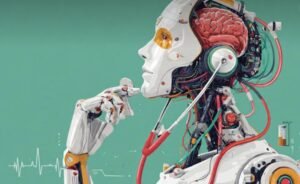
- Recovery pathways to optimal fitness are mapped at imaginephysio.co.uk
- Understanding the Principles of Effective Physiotherapy
- The Role of Patient Education
- Pain Management Strategies in Physiotherapy
- The Importance of a Biopsychosocial Approach
- Rehabilitation After Injury: A Step-by-Step Approach
- Preventing Re-Injury
- The Role of Technology in Modern Physiotherapy
- Beyond Injury: Optimizing Performance and Well-being
Table of Contents
ToggleRecovery pathways to optimal fitness are mapped at imaginephysio.co.uk
Navigating the complexities of physical recovery and striving for optimal fitness often requires expert guidance. Many individuals find themselves searching for bespoke solutions tailored to their unique needs and challenges. Fortunately, resources like imaginephysio.co.uk are dedicated to providing precisely that – comprehensive physiotherapy services designed to unlock your physical potential. This means moving beyond simple treatment of injuries and embracing a holistic approach to wellness, fostering long-term health and resilience.
The importance of a well-structured rehabilitation program cannot be overstated. Whether recovering from a sports injury, managing chronic pain, or simply seeking to improve physical function, a professional assessment and personalized plan are crucial. Effective physiotherapy goes beyond alleviating symptoms; it addresses the underlying causes of discomfort and empowers individuals to take control of their own health journey. Finding a clinic that prioritizes patient education and continuous support is paramount to achieving sustainable results and preventing future setbacks.
Understanding the Principles of Effective Physiotherapy
Physiotherapy is a healthcare profession dedicated to the assessment, diagnosis, and treatment of movement and pain. It encompasses a wide range of techniques, from manual therapy and exercise prescription to electrotherapy and hydrotherapy. The fundamental principle is to restore and maintain optimal physical function, enabling individuals to participate fully in life. A core component of successful physiotherapy is a thorough understanding of anatomy, physiology, and biomechanics – the science of human movement. Therefore, a qualified physiotherapist will conduct a detailed evaluation to identify the specific factors contributing to a patient’s condition. This isn’t simply about treating the symptoms; it’s about understanding the root cause.
The Role of Patient Education
Effective physiotherapy extends beyond the treatment room. A crucial element is empowering patients with the knowledge and tools they need to manage their condition independently. This involves providing clear explanations of the underlying pathology, demonstrating proper exercise techniques, and offering advice on lifestyle modifications. Patients who understand their condition are more likely to adhere to their treatment plan and achieve better outcomes. Furthermore, education helps prevent re-injury by equipping individuals with the skills to identify and address potential problems before they escalate. This proactive approach fosters a sense of ownership and responsibility for one’s own health and well-being.
| Treatment Modality | Description |
|---|---|
| Manual Therapy | Hands-on techniques to mobilize joints, release muscle tension, and improve circulation. |
| Exercise Therapy | Prescribed exercises to strengthen muscles, improve flexibility, and restore movement. |
| Electrotherapy | Use of electrical stimulation to reduce pain, inflammation, and muscle spasm. |
| Hydrotherapy | Exercise in water to reduce stress on joints and improve range of motion. |
The integration of these modalities, tailored to individual needs, is what distinguishes high-quality physiotherapy. A clinic like imaginephysio.co.uk would likely utilize a combination of these approaches to create a comprehensive and effective treatment plan.
Pain Management Strategies in Physiotherapy
Pain is a common symptom addressed by physiotherapists, but effective pain management involves more than simply masking the discomfort. Physiotherapy utilizes a multifaceted approach, focusing on identifying and addressing the underlying causes of pain. Techniques such as manual therapy can help release muscle tension and improve joint mobility, reducing pain signals. Furthermore, strengthening exercises can support and stabilize injured areas, preventing further irritation. Beyond physical interventions, physiotherapists can also provide education on pain neuroscience – the study of how the brain processes pain signals – helping patients understand and manage their experience effectively. This empowers individuals to move beyond fear-avoidance behaviours that can perpetuate chronic pain cycles.
The Importance of a Biopsychosocial Approach
Pain isn’t solely a physical sensation; it’s influenced by biological, psychological, and social factors. A biopsychosocial approach recognizes this complexity and addresses all three aspects. For example, stress, anxiety, and depression can amplify pain perception, while social support and a positive outlook can promote healing. Physiotherapists trained in a biopsychosocial model will consider these factors when developing a treatment plan. This might involve incorporating stress management techniques, cognitive behavioural therapy, or social support strategies alongside traditional physical therapies. A holistic perspective like this leads to more sustainable and meaningful outcomes.
- Pain is subjective and varies from person to person.
- Active participation in treatment is crucial for success.
- Realistic goals and expectations are essential for motivation.
- Addressing psychological factors can significantly impact pain levels.
- Lifestyle modifications can help prevent pain recurrence.
Implementing these considerations is vital when looking at long-term health. Understanding the multifaceted nature of pain builds a more lasting rehabilitation process.
Rehabilitation After Injury: A Step-by-Step Approach
Rehabilitation following an injury requires a carefully structured and progressive approach. The initial phase typically focuses on reducing pain and inflammation, protecting the injured area, and restoring range of motion. This may involve rest, ice, compression, and elevation (RICE), as well as gentle exercises. As pain subsides, the focus shifts to restoring strength, endurance, and proprioception – the body’s awareness of its position in space. This phase often includes progressive resistance exercises, balance training, and functional activities designed to mimic the movements required for daily living or sport. The final stage of rehabilitation concentrates on returning to full activity, gradually increasing the intensity and duration of exercise to avoid re-injury. A successful rehabilitation program is individualized, taking into account the severity of the injury, the patient’s goals, and their overall health status.
Preventing Re-Injury
The ultimate goal of rehabilitation isn’t just to restore function; it’s to prevent re-injury. This requires addressing underlying biomechanical imbalances, strengthening supporting muscles, and improving proprioception. A physiotherapist will assess movement patterns to identify areas of weakness or dysfunction and develop a program to correct them. Additionally, education on proper warm-up and cool-down techniques, as well as injury prevention strategies specific to the individual's activities, is crucial. Consistent adherence to a maintenance exercise program is also essential for long-term health and injury prevention.
- Reduce pain and inflammation in the initial phase.
- Restore range of motion gradually.
- Strengthen muscles to support the injured area.
- Improve proprioception and balance.
- Progressively return to full activity.
Following these steps will maximize the potential for a full recovery and minimize the likelihood of future complications. Resources like those available through imaginephysio.co.uk can provide comprehensive guidance throughout this process.
The Role of Technology in Modern Physiotherapy
Technological advancements are increasingly transforming the field of physiotherapy, offering new tools and techniques to enhance assessment, treatment, and rehabilitation. For example, motion analysis systems can provide detailed insights into movement patterns, helping identify subtle biomechanical faults that may contribute to pain or injury. Virtual reality (VR) and gaming-based rehabilitation programs can make exercise more engaging and motivating, improving patient adherence. Telehealth, or remote physiotherapy, allows patients to access care from the comfort of their own homes, increasing convenience and accessibility. Furthermore, wearable sensors can track activity levels and provide real-time feedback on progress, empowering patients to take ownership of their rehabilitation journey. These innovations are not intended to replace the expertise of a skilled physiotherapist, but rather to augment their abilities and enhance the patient experience.
Beyond Injury: Optimizing Performance and Well-being
Physiotherapy isn't limited to treating injuries; it can also play a vital role in optimizing performance and promoting overall well-being. Athletes can benefit from physiotherapy to improve their technique, prevent injuries, and enhance their physical conditioning. Individuals seeking to improve their general fitness level can work with a physiotherapist to develop a personalized exercise program tailored to their goals and abilities. Furthermore, physiotherapy can address postural imbalances, reduce muscle tension, and improve breathing patterns, contributing to greater energy levels and reduced stress. The principles of movement science that underpin physiotherapy can be applied to a wide range of activities, from desk-based work to recreational hobbies, to enhance efficiency and reduce the risk of strain.
Exploring options for physical betterment, such as those offered at imaginephysio.co.uk, can provide a pathway to sustained health and vitality. A proactive approach to physical care, embracing preventative measures and personalized treatments, positions individuals to thrive and enjoy an active, fulfilling lifestyle. Investing in your physical well-being is an investment in your overall quality of life, enabling you to pursue your passions and navigate life’s challenges with confidence and resilience. By prioritizing movement, addressing imbalances, and seeking expert guidance, you can unlock your full physical potential and experience the transformative power of a healthy, active body.