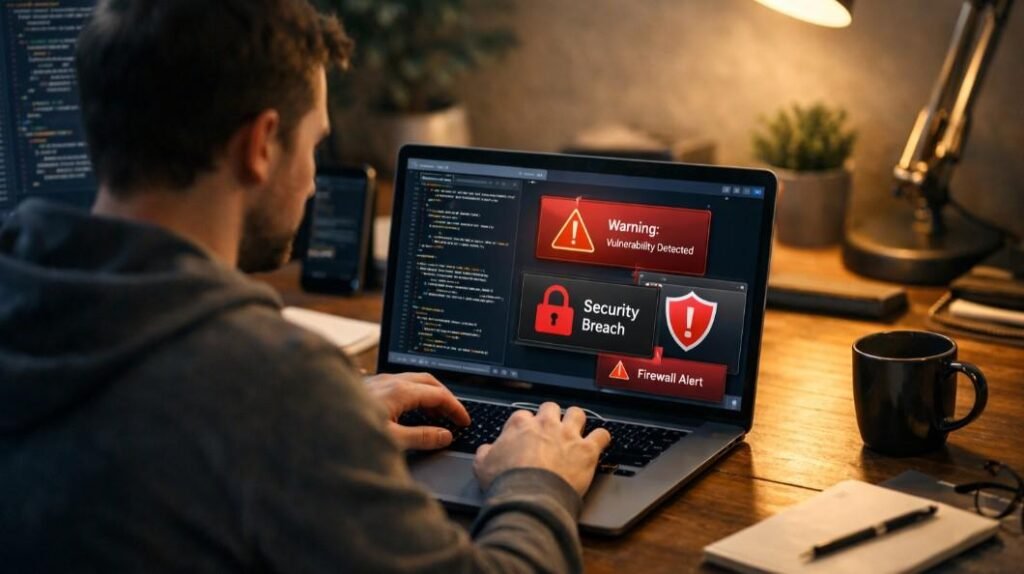
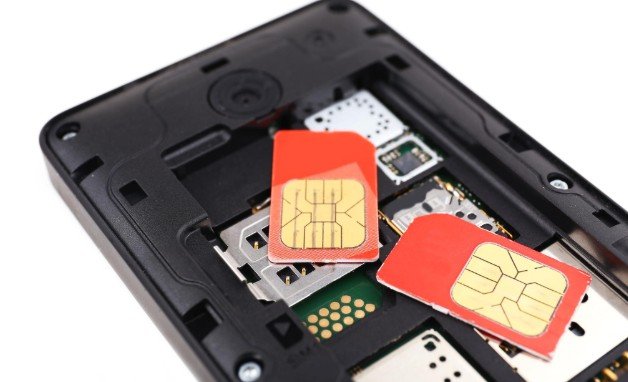
I would think hackers needed access to my phone to take control of my accounts. But once I learned how easily a phone number can be hijacked without touching the device, it completely changed how I look at online security.
The idea that someone can redirect your number and quietly reset your passwords is what makes How SIM Swap Attacks Work so important to understand. Most people connect their phone number to banking, email, and social accounts.
That creates a single point of failure. If someone takes control of your number, they do not just interrupt your service. They can unlock your entire digital identity.
What Is a SIM Swap Attack
A SIM swap attack is a type of identity fraud where a scammer transfers your phone number to a SIM card they control. This is usually done by tricking or manipulating a mobile carrier into believing they are the real account owner.
Once the number is moved, your calls and messages go to the attacker. That includes one-time passwords, login alerts, and verification codes. With those, they can start resetting passwords and gaining access to accounts within minutes.
How SIM Swap Attacks Work Step by Step
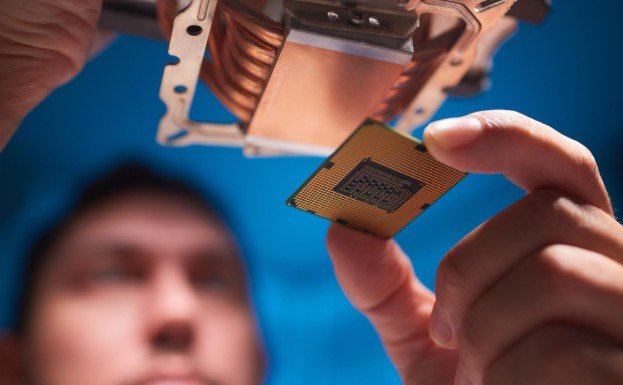
The process usually begins with gathering information. Attackers collect personal details through phishing emails, fake websites, social media, or data leaks. Even small details like your birthday or address can help them build a convincing story.
Next comes impersonation. The attacker contacts your mobile carrier and claims they lost their phone or need to activate a new SIM. If the carrier accepts the request, your number is transferred to the attacker’s SIM card. This is where the difference between network security or information security becomes clear, as the attacker is not hacking your device but exploiting identity verification systems.
Once the swap is complete, your phone may suddenly lose signal. At the same time, the attacker begins receiving your calls and messages. This is the turning point where they start targeting your accounts.
The final stage is account takeover. The attacker requests password resets, intercepts verification codes, and locks you out. What starts as a phone issue quickly becomes a security crisis across multiple platforms.
Why This Attack Is So Dangerous
This attack works because many systems still trust phone numbers as proof of identity. A single number is often linked to email recovery, financial alerts, and login verification.
The speed of the attack makes it worse. Within a short time, an attacker can access email, reset passwords across services, and move into financial accounts. This chain reaction is what makes SIM swap attacks especially damaging.
Another factor is that victims often do not realize what is happening immediately. By the time warning signs appear, multiple accounts may already be compromised.
Warning Signs You Should Never Ignore

One of the first signs is losing mobile network service unexpectedly. If your phone cannot make calls, send texts, or use data without a clear reason, it could indicate your number has been moved.
You may also stop receiving login codes or alerts. At the same time, you might get notifications about password changes or suspicious logins.
Unrecognized suspicious activity or alerts from apps you did not use are also strong warning signs. When these signals appear together, quick action is critical.
What Hackers Do After Taking Your Number
Once attackers control your number, they usually target your email first. Email accounts act as a gateway to many other services, making them a priority.
After gaining access, they may change recovery settings, block notifications, or forward messages to hide their activity. This makes it harder for you to regain control.
From there, they often move to financial accounts, payment apps, and digital wallets. The goal is usually to transfer funds, make purchases, or extract value before being detected.
How SIM Swap Attacks Work Against Two-Factor Authentication
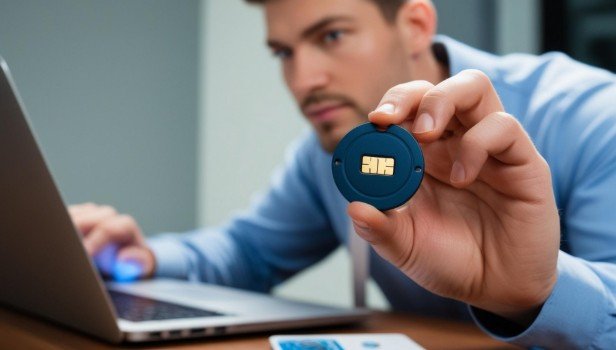
Many people rely on two-factor authentication for security, but not all methods offer the same protection. When authentication codes are sent via SMS, they can be intercepted during a SIM swap. This means that even accounts with extra security layers can be vulnerable if they depend on phone numbers.
Once the attacker controls the number, they can bypass this protection. Using authenticator apps or hardware-based security methods provides stronger defense because they do not rely on your mobile number.
How To Protect Yourself Before It Happens
Reducing reliance on SMS-based verification is one of the most effective steps. Switching to authenticator apps adds a stronger layer of protection for important accounts. Adding a PIN or security lock to your mobile carrier account can also prevent unauthorized SIM changes. This creates an extra barrier against impersonation attempts.
Being cautious about sharing personal information is equally important. Attackers often succeed because they gather enough details to appear legitimate. Strong passwords, unique logins, and awareness of phishing attempts all contribute to reducing risk. Security is not one single step but a combination of habits.
What To Do If You Become a Victim

If your phone suddenly loses service, contact your mobile carrier immediately. Ask them to verify your account and reverse any unauthorized SIM swap attack. Next, secure your email account by changing the password and reviewing recovery settings. This helps stop further access to connected accounts.
Check your financial accounts for suspicious activity and notify your bank if anything looks unusual. Acting quickly can limit potential damage. You should also report the incident through official fraud and scams reporting channels and monitor your identity for any further misuse.
Frequently Asked Questions
1. What is a SIM swap attack in simple terms?
It is when someone transfers your phone number to their SIM card and uses it to access your accounts by intercepting messages and verification codes.
2. Can a SIM swap attack happen without hacking my phone?
Yes. The attacker does not need access to your device. They only need to convince your mobile carrier to transfer your number.
3. How long does a SIM swap attack take?
It can happen very quickly. Once the number is transferred, account takeovers can begin within minutes.
4. Is there a way to completely prevent SIM swap attacks?
No method is perfect, but using strong authentication methods and securing your carrier account significantly reduces the risk.
Key Takeaways
I see this as one of the most underestimated threats in everyday digital life. It feels simple on the surface, but the impact can escalate quickly once control of a phone number is lost. Understanding How SIM Swap Attacks Work is not just about awareness, it is about staying one step ahead.
Taking small preventive steps now can save you from major consequences later. The more you reduce reliance on your phone number as a security tool, the safer your accounts become.