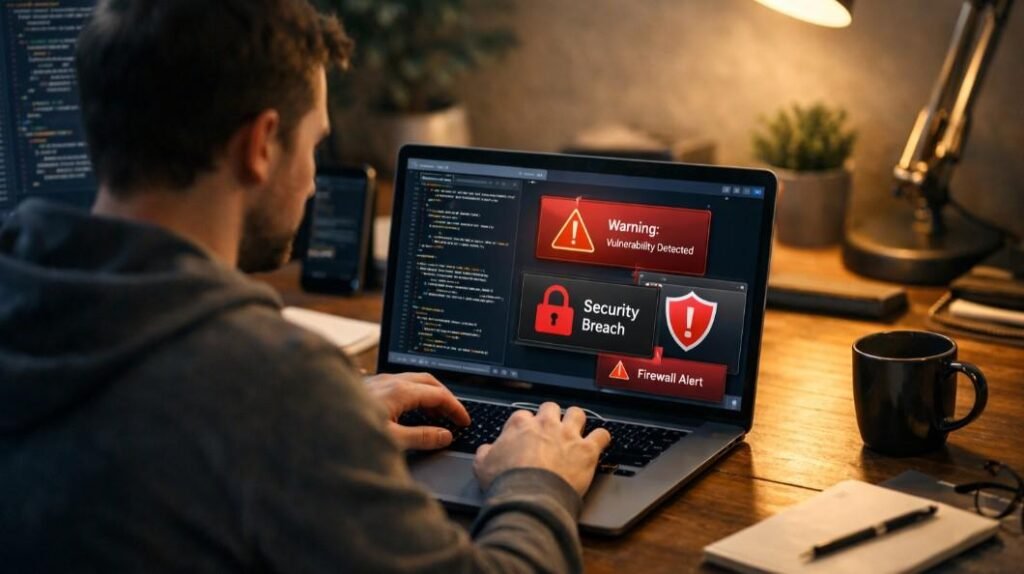

Smartphones have become a central part of daily life, storing everything from personal messages to banking information. As technology becomes more advanced, so do the risks associated with it. Understanding how hackers hack your phone is no longer optional. It is essential for protecting your privacy and security.
Many people assume hacking only happens to large companies or public figures, but that is not true. Everyday users are often the easiest targets because they are less aware of common threats. Knowing how these attacks happen can help you avoid them and stay one step ahead.
Common Ways Hackers Hack Your Phone
Hackers use multiple methods to gain access to smartphones. One of the most common is phishing. This involves tricking users into clicking on malicious links or downloading harmful attachments. These links often appear in emails, messages, or fake websites that look legitimate.
Another method is malicious apps. Some apps contain hidden malware that can steal data once installed. These apps may look normal but operate in the background, collecting sensitive information without the user’s knowledge.
Public Wi-Fi networks are also a major risk. Hackers can intercept data on unsecured networks, allowing them to access personal information such as passwords and financial details.
Spyware and Hidden Tracking
Spyware is another common tool used by hackers. It is designed to monitor your activity, track your location, and collect personal data. In many cases, spyware runs silently in the background, making it difficult to detect.
Once installed, spyware can access messages, emails, and even your camera or microphone. This level of access makes it one of the most dangerous forms of mobile hacking.
As devices become more advanced, discussions around is your data safe in the quantum future highlight how security challenges will continue to evolve alongside technology.
SIM Swapping Attacks
SIM swapping is a more advanced hacking technique that targets your phone number. Hackers contact your mobile carrier and convince them to transfer your number to a new SIM card. Once they gain control of your number, they can access your accounts, especially those that use two-factor authentication.
This type of attack can lead to serious consequences, including financial loss and identity theft. It shows how important it is to secure not just your device but also your mobile account.
Signs Your Phone May Be Hacked

There are several warning signs that your phone may be compromised. Unusual battery drain is one of the most common indicators. Malware and spyware often run in the background, consuming power.
Another sign is unexpected data usage. If your phone is using more data than usual, it could be sending information to external sources. You may also notice unfamiliar apps, pop-ups, or performance issues.
Recognizing these signs early can help you take action before the damage becomes severe.
How to Protect Your Phone from Hackers
Protecting your phone starts with simple habits. Always download apps from trusted sources and avoid clicking on suspicious links. Keeping your software updated is also important, as updates often include security patches.
Using strong passwords and enabling two-factor authentication adds an extra layer of protection. Avoid using public Wi-Fi for sensitive activities, or use a secure connection when necessary.
As technology advances, systems discussed in topics like the Future of Humanoid Robots will also rely heavily on secure communication, making cybersecurity even more critical.
Role of AI in Cybersecurity

Artificial intelligence is playing a growing role in protecting devices from cyber threats. AI systems can detect unusual patterns and identify potential attacks before they happen.
This is similar to how AI is transforming other industries, including healthcare. Insights from How AI is changing healthcare show how intelligent systems can improve accuracy and efficiency, which also applies to cybersecurity.
AI-driven security tools are becoming more common and are helping users stay protected against evolving threats.
Why Mobile Security Matters More Than Ever
With smartphones handling more tasks than ever before, security has become a top priority. From banking to communication, a compromised phone can lead to serious consequences.
Hackers are constantly developing new methods, making it important to stay informed and proactive. Mobile security is not just about protecting your device. It is about protecting your identity and personal information.
What the Future Looks Like
The future of mobile security will be shaped by advancements in technology. As devices become smarter, security systems will also become more advanced. We can expect stronger encryption, better authentication methods, and improved threat detection.
However, users will still play a key role. Awareness and responsible usage will remain essential in preventing attacks and staying secure.
FAQs
1. Can hackers access my phone without me knowing?
Yes, hackers can use spyware and malware to access your phone without visible signs, which is why regular checks are important.
2. Is public Wi-Fi safe to use?
Public Wi-Fi can be risky because hackers may intercept data. Avoid using it for sensitive activities.
3. How can I tell if my phone is hacked?
Signs include unusual battery drain, high data usage, unfamiliar apps, and sudden performance issues.
Why Staying Informed Is Your Best Defense
Understanding how hackers hack your phone is the first step toward protecting yourself in a digital world. The more aware you are, the less likely you are to fall victim to common attacks.
Technology will continue to evolve, and so will cyber threats. Staying informed, adopting safe habits, and using available tools will help you stay secure. In the end, prevention is always better than dealing with the consequences of a security breach.