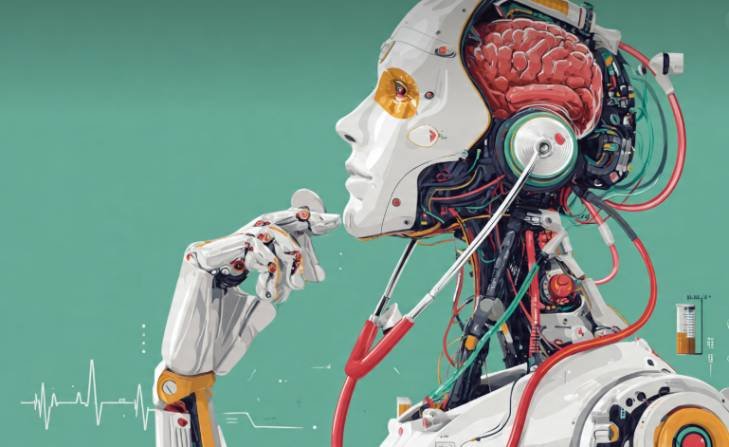
Healthcare is going through one of the biggest transformations in history, and artificial intelligence is at the center of it. From diagnosing diseases earlier to improving treatment plans, AI is reshaping how doctors and patients interact.
The conversation around How AI is changing healthcare is no longer about the future. It is happening right now.
Hospitals, clinics, and research labs are using AI to improve accuracy, reduce human error, and deliver better outcomes. What once took hours or even days can now be done in minutes with the help of intelligent systems. This shift is not just improving efficiency. It is saving lives.
What Does AI Mean in Healthcare Today
Artificial intelligence in healthcare refers to systems that can analyze data, learn patterns, and make decisions that support medical professionals. These systems are trained on large datasets that include medical records, imaging results, and patient histories.
Instead of replacing doctors, AI works as an assistant. It helps doctors make faster and more informed decisions by providing insights that may not be immediately visible. This combination of human expertise and machine intelligence is creating a more advanced healthcare system.
Faster and More Accurate Diagnosis
One of the most powerful impacts of AI is in diagnosis. AI systems can analyze medical images such as X-rays, MRIs, and CT scans with remarkable accuracy. In many cases, they can detect diseases earlier than traditional methods.
Early detection is critical in conditions like cancer, heart disease, and neurological disorders. AI reduces the chances of missed diagnoses and allows doctors to begin treatment sooner. This not only improves survival rates but also reduces the cost and complexity of care.
As technology evolves, systems connected to trends like the Future of Humanoid Robots may even assist in performing routine diagnostic tasks, further improving efficiency in healthcare environments.
Personalized Treatment Plans
Every patient is different, and AI is helping doctors move away from one-size-fits-all treatments. By analyzing patient data, AI can suggest personalized treatment plans based on individual health conditions, genetics, and lifestyle.
This approach improves outcomes because treatments are tailored specifically to the patient. It also reduces the risk of side effects and ineffective therapies. Personalized medicine is becoming one of the most important areas where AI is making a difference.
AI in Drug Discovery and Research

Developing new medicines has traditionally been a slow and expensive process. AI is changing that by accelerating research and identifying potential treatments much faster.
AI systems can analyze massive datasets to find patterns that humans might miss. This helps researchers identify promising drug candidates and test them more efficiently. As a result, new treatments can reach patients faster than ever before.
Improving Patient Monitoring and Care
AI is also transforming how patients are monitored. Wearable devices and smart systems can track vital signs in real time and alert doctors if something is wrong. This allows for continuous care, even outside of hospitals.
Remote monitoring is especially useful for patients with chronic conditions. It reduces the need for frequent hospital visits while ensuring that any issues are detected early. This creates a more proactive healthcare system rather than a reactive one.
At the same time, concerns about data security are growing, especially with technologies advancing toward the quantum era. Questions like is your data safe in the quantum future are becoming more relevant as healthcare systems rely more on digital data.
Reducing Workload for Medical Professionals
Healthcare professionals often deal with heavy workloads and administrative tasks. AI helps reduce this burden by automating routine processes such as data entry, appointment scheduling, and record management.
This allows doctors and nurses to focus more on patient care rather than paperwork. It also improves efficiency within healthcare systems, making services faster and more accessible.
Enhancing Surgical Precision
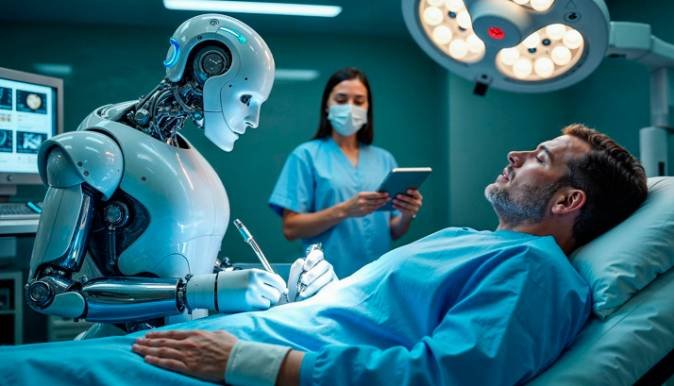
AI-assisted surgery is another area where technology is making a big impact. Robotic systems guided by AI can perform procedures with high precision, reducing the risk of human error.
These systems can assist surgeons by providing real-time data and recommendations during operations. This leads to better outcomes, shorter recovery times, and fewer complications for patients.
Challenges and Concerns
Despite its benefits, AI in healthcare comes with challenges. One major concern is data privacy. Healthcare systems store sensitive information, and protecting this data is critical.
Understanding risks such as how hackers hack your phone highlights how vulnerable digital systems can be if not properly secured. This is why cybersecurity is becoming a major focus in healthcare technology.
Another concern is trust. Patients and doctors need to feel confident that AI systems are reliable and accurate. Building this trust will take time, transparency, and proper regulation.
What the Future Holds
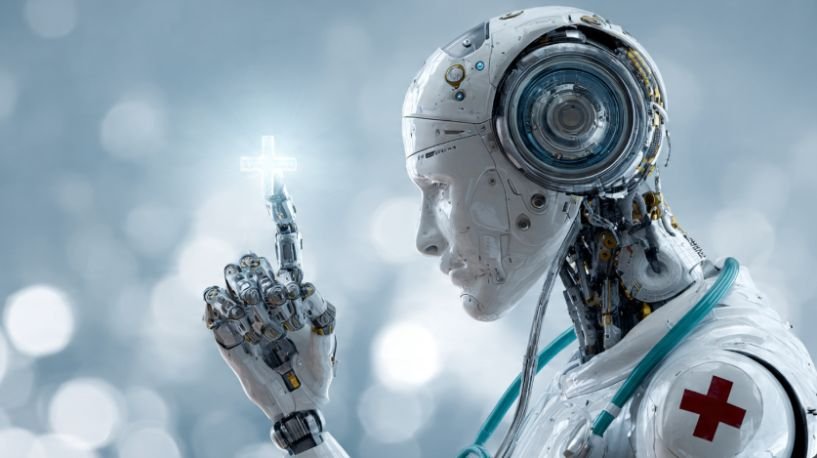
The future of AI in healthcare looks promising. As technology continues to improve, AI will become more integrated into everyday medical practices. From virtual health assistants to advanced robotic care, the possibilities are expanding rapidly.
We may soon see a healthcare system where diagnosis, treatment, and monitoring are all enhanced by intelligent systems working alongside human professionals. This combination will lead to faster, safer, and more effective care.
FAQs
1. How is AI improving healthcare today?
AI is improving healthcare by enabling faster diagnosis, personalized treatments, and better patient monitoring, which leads to improved outcomes.
2. Will AI replace doctors in the future?
AI will not replace doctors but will support them by providing better insights and reducing workload, allowing them to focus more on patient care.
3. Is AI safe to use in healthcare?
AI is becoming safer as technology improves, but strong regulations and data protection measures are essential to ensure patient safety.
Why AI in Healthcare Matters More Than Ever
Understanding How AI is changing healthcare is important because it affects everyone. Whether you are a patient, a healthcare professional, or simply someone interested in technology, these changes will shape the future of medicine.
AI is not just improving systems. It is transforming how care is delivered, making it more efficient, accurate, and personalized. The real impact lies in its ability to enhance human capabilities rather than replace them.
The future of healthcare is not just digital. It is intelligent, connected, and built around better outcomes for everyone.