
Humanoid robots used to feel like something out of a movie, but that reality is quickly changing. Today, these machines are stepping into real environments, helping with tasks that once required human effort. The future of humanoid robots is no longer distant or theoretical. It is unfolding right in front of us.
From assisting in factories to supporting healthcare systems, humanoid robots are evolving into intelligent, adaptable machines. As technology continues to advance, these robots are expected to play a major role in how we live, work, and interact with the world around us. Understanding this shift is essential because it will influence nearly every aspect of daily life.
What Are Humanoid Robots?
Humanoid robots are machines designed to resemble the human body in both structure and movement. They are built to operate in environments created for humans, which makes them more versatile than traditional industrial robots.
Unlike fixed machines that perform a single repetitive task, humanoid robots can move, interact, and adapt. They are capable of walking, using tools, responding to voice commands, and learning from their surroundings.
This combination of physical mobility and artificial intelligence allows them to perform tasks that go beyond basic automation.
Where Humanoid Robots Stand Today
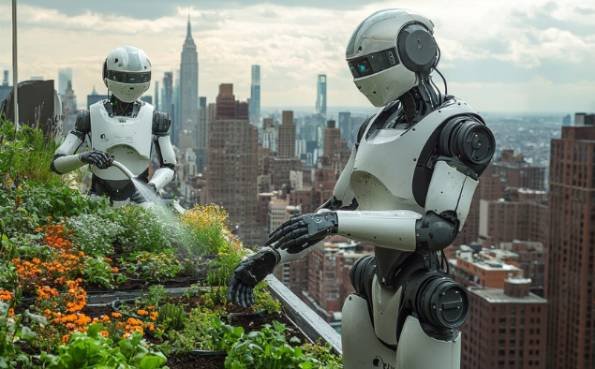
In recent years, humanoid robots have moved beyond research labs and into real-world testing environments. Companies are actively developing robots that can perform everyday tasks such as sorting items, assisting workers, and even interacting with people.
What makes this stage exciting is the shift from experimentation to practical use. These robots are no longer just prototypes.
They are being tested in industries where efficiency, consistency, and safety are critical. This transition marks the beginning of a new phase where humanoid robots are becoming functional tools rather than experimental concepts.
The Technology Behind Humanoid Robots
Artificial intelligence is important for allowing robots to process information, make decisions, and improve over time. This intelligence enables robots to understand human commands and respond in a natural way.
Another key component is computer vision, which helps robots interpret their surroundings. With cameras and sensors, they can recognize objects, avoid obstacles, and navigate complex environments. Motion control systems ensure that robots can move smoothly and maintain balance, which is essential for performing tasks that require precision.
Together, these technologies create machines that are not only capable but also adaptable, making them suitable for a wide range of real-world applications.
Real-World Applications of Humanoid Robots
Humanoid robots are beginning to find their place in multiple industries, and their role is expected to expand significantly in the coming years. In manufacturing, they are being used to handle repetitive and physically demanding tasks, allowing human workers to focus on more complex responsibilities.
In healthcare, humanoid robots are being developed to assist with patient care, monitor health conditions, and support elderly individuals who need daily assistance. Their ability to interact with people in a human-like way makes them especially valuable in environments where communication and care are important.
Education is another area where these robots are making an impact. They can act as teaching assistants, helping students learn at their own pace while providing interactive support. In homes, future humanoid robots may take on everyday tasks such as cleaning, organizing, and even preparing simple meals.
How Humanoid Robots Will Change the Workforce
The introduction of humanoid robots will reshape the job market in significant ways. Certain roles that involve repetitive or manual tasks may gradually be replaced by automation. Jobs in areas such as manufacturing, logistics, and basic service tasks are likely to see the most change.
However, this shift also creates new opportunities. As robots become more common, there will be a growing demand for professionals who can design, maintain, and improve these systems. Careers in robotics engineering, artificial intelligence, and system management will continue to expand.
Rather than eliminating work entirely, humanoid robots are expected to change the nature of work. People who adapt and develop new skills will benefit the most in this evolving landscape.
Benefits of Humanoid Robots

One of the biggest advantages of humanoid robots is their ability to improve efficiency. They can work continuously without fatigue, which increases productivity in industries that rely on repetitive tasks. This consistency also reduces errors and improves overall output quality.
Safety is another important benefit. Robots can take on dangerous tasks that may pose risks to human workers, such as handling hazardous materials or working in extreme conditions. This reduces workplace accidents and improves overall safety standards.
Challenges and Concerns
Despite their potential, humanoid robots also raise several important concerns. One of the main challenges is the ethical question of how these machines should be used and how closely they should resemble humans. There is ongoing debate about the psychological impact of interacting with human-like robots.
Job displacement is another concern, especially for workers in industries that rely heavily on manual labor. While new jobs will be created, the transition may be difficult for some individuals.
Security is also a major issue. As robots become connected to networks and systems, they could become targets for cyber threats. Ensuring strong security measures will be essential to prevent misuse or unauthorized access.
What the Future Looks Like by 2030
Looking ahead, humanoid robots are expected to become more affordable, more capable, and more integrated into daily life. By 2030, many homes and workplaces may include robots that assist with everyday tasks.
These machines will likely be able to perform multiple functions, communicate naturally with humans, and work alongside people rather than replacing them entirely. As technology continues to improve, the line between human capability and machine assistance will become increasingly blurred.
How to Prepare for a Robot-Driven Future
Adapting to this future requires a shift in mindset. Learning about technology and staying updated with advancements in artificial intelligence will be valuable. Developing skills that complement automation, such as creativity, problem-solving, and communication, will also become more important.
The goal is not to compete with machines but to work alongside them. Those who embrace this change will find new opportunities in a rapidly evolving world.
FAQs
1. Will humanoid robots replace human jobs completely?
Humanoid robots will replace some repetitive tasks, but they will also create new job opportunities. The overall impact will be a shift in the type of work people do rather than complete replacement.
2. Are humanoid robots safe to use?
Humanoid robots are becoming safer as technology improves, but proper regulation and testing are still necessary to ensure reliability and security.
3. When will humanoid robots become common in homes?
Some early versions are already being tested. Wider adoption is expected within the next decade as costs decrease and capabilities improve.
What This Means for Our Future
The future of humanoid robots is about more than technology. It represents a shift in how we approach work, daily routines, and human interaction. These machines will not simply replace tasks; they will redefine how those tasks are performed.
As humanoid robots become more integrated into society, they will offer new possibilities for efficiency, safety, and convenience. The real opportunity lies in understanding how to use this technology in a way that enhances human life rather than replacing it.