
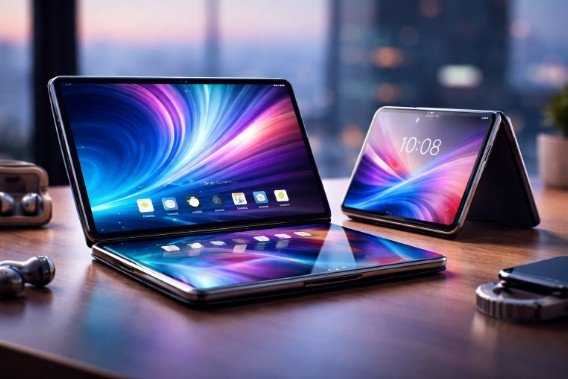
The smartphone industry has seen many innovations over the years, but few have been as exciting as foldable devices. The discussion around foldable phones pros and cons has grown rapidly as brands push the boundaries of design and functionality.
These devices promise the convenience of a phone with the expanded experience of a tablet, all in one.
At first glance, foldable phones feel like the future. They offer larger screens, unique designs, and new ways to interact with apps and media. However, they also come with certain limitations that make buyers hesitate. Understanding both the advantages and drawbacks is essential before making a decision.
What Are Foldable Phones and How Do They Work
Foldable phones use flexible display technology that allows the screen to bend without breaking. Unlike traditional smartphones, these devices can fold inward or outward depending on the design. This creates a compact form when closed and a larger screen when opened.
Manufacturers use advanced materials and hinge mechanisms to support this flexibility. These hinges are engineered to withstand repeated folding while maintaining stability. The result is a device that combines portability with a more immersive display experience.
As technology advances, innovations similar to the Future of Humanoid Robots show how engineering is pushing boundaries across industries, including mobile devices.
Advantages of Foldable Phones
One of the biggest benefits of foldable phones is the larger screen size. When unfolded, these devices provide a tablet-like experience that is ideal for watching videos, reading, and multitasking. This makes them especially useful for users who consume a lot of content on their phones.
Another advantage is multitasking capability. Foldable phones allow users to run multiple apps side by side, making productivity tasks easier. You can browse the web, respond to messages, and watch videos all at the same time without switching screens constantly.
The design itself is also a major attraction. Foldable phones stand out and offer a premium feel that appeals to users who enjoy cutting-edge technology. They represent a shift in how smartphones are designed and used.
Disadvantages of Foldable Phones
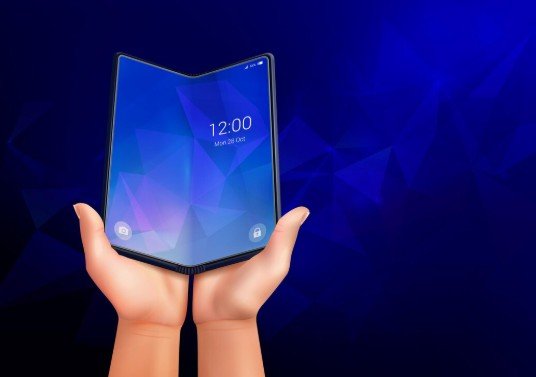
Despite their advantages, foldable phones come with several drawbacks. One of the main concerns is durability. The folding mechanism and flexible screen are more fragile compared to traditional smartphones. Over time, wear and tear can affect performance.
Another issue is the visible crease on the screen. While manufacturers have improved this aspect, it is still noticeable and can affect the viewing experience for some users.
Price is another major factor. Foldable phones are significantly more expensive than standard smartphones. This makes them less accessible to the average consumer and positions them as a premium product.
Battery life can also be inconsistent. Larger screens require more power, and while batteries are improving, they still struggle to keep up with heavy usage.
Performance and User Experience
Performance on foldable phones is generally strong, as most models come with high-end processors and advanced features. However, the software experience is still evolving. Not all apps are fully optimized for foldable screens, which can lead to occasional usability issues.
That said, many companies are working to improve software compatibility. Over time, user experience is expected to become smoother and more intuitive as developers adapt to this new form factor.
Security and Privacy Considerations
As smartphones become more advanced, security becomes more important. Foldable phones are no exception. With more features and connectivity, these devices can be vulnerable if not properly secured.
Understanding risks such as how hackers hack your phone is essential for users of any modern device. Foldable phones often include advanced security features, but users must still take precautions such as updating software and using secure networks.
As discussions grow around is your data safe in the quantum future, security will continue to evolve alongside device innovation.
Are Foldable Phones Worth It
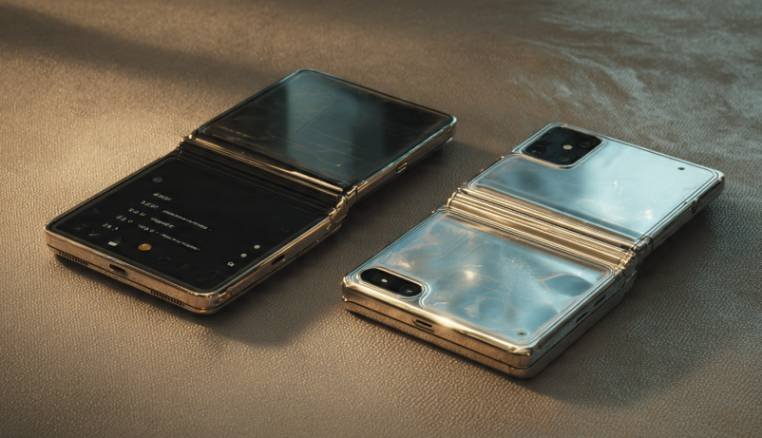
Whether foldable phones are worth it depends on your needs and preferences. If you value innovation, multitasking, and a larger display, these devices offer a unique experience that traditional smartphones cannot match.
However, if durability, affordability, and simplicity are your priorities, a standard smartphone may still be the better choice. Foldable phones are improving rapidly, but they are still in a stage where not all limitations have been fully resolved.
The Future of Foldable Technology
The future of foldable phones looks promising. As technology advances, we can expect improvements in durability, battery life, and affordability. Manufacturers are continuously refining designs to address current limitations.
Foldable devices may eventually become mainstream as production costs decrease and user experience improves. They represent a significant step forward in smartphone innovation and may shape the next generation of mobile technology.
FAQs
1. Are foldable phones durable enough for daily use?
Foldable phones are improving in durability, but they are still more delicate than traditional smartphones and require careful handling.
2. Why are foldable phones so expensive?
They use advanced materials, flexible displays, and complex hinge mechanisms, which increase manufacturing costs.
3. Do all apps work well on foldable phones?
Not all apps are fully optimized yet, but compatibility is improving as developers adapt to foldable technology.
Why Foldable Phones Are a Big Deal
Understanding foldable phones pros and cons helps you make an informed decision in a rapidly evolving tech landscape. These devices are not just a trend. They represent a shift toward more flexible and versatile technology.
While they may not be perfect yet, foldable phones are paving the way for future innovations. As improvements continue, they have the potential to redefine how we use smartphones in everyday life.