
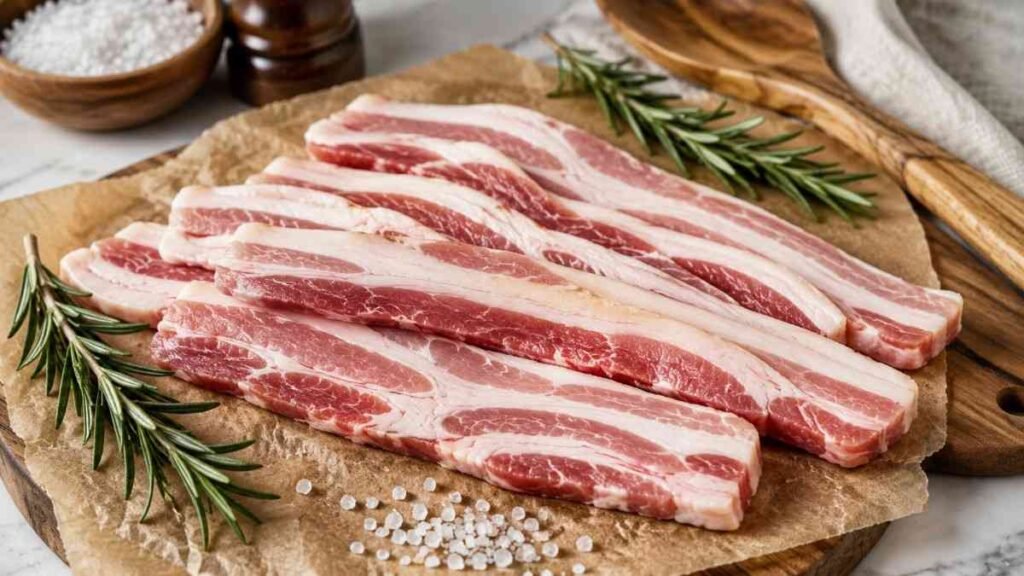
Bacon is a staple in many households, often enjoyed for its distinctive flavour and crispy texture. However, traditional bacon typically contains nitrates and nitrites, additives used to preserve the meat and enhance its colour. In recent years, there has been growing concern over the potential health risks associated with these preservatives.
This has led to an increased interest in nitrate free bacon as a healthier alternative. This article explores the benefits of choosing nitrate free bacon and why it is a preferable option for many consumers.
Understanding Nitrates and Nitrites in Bacon
Nitrates and nitrites are compounds commonly used in processed meats, including bacon, to prevent bacterial growth, particularly Clostridium botulinum, which causes botulism.
They also contribute to the appealing pink colour and distinct flavour that many associate with cured meats. Despite these benefits, the consumption of nitrates and nitrites has been linked to potential health concerns.
Health Concerns Associated with Nitrates and Nitrites
When exposed to high heat during cooking, nitrites can react with amino acids in meat to form nitrosamines, which are classified as carcinogens. Studies have suggested a correlation between high intake of processed meats containing nitrates and increased risks of certain cancers, including colorectal cancer.
Though the evidence is still evolving, this has prompted many consumers to seek products free from these additives.
Why Choose Nitrate Free Bacon
Choosing nitrate free bacon offers multiple advantages beyond potential health benefits. The absence of synthetic preservatives often means the bacon is produced using more natural, traditional curing methods. This can appeal to those seeking cleaner, more transparent ingredients in their food.
Improved Nutritional Profile
Nitrate free bacon is less likely to contain artificial additives and chemicals, which can contribute to excess sodium and other undesirable elements in processed foods. While bacon remains a processed meat with inherent nutritional considerations, nitrate free options can offer a slightly healthier profile by eliminating these compounds.
Cleaner Ingredient List
Consumers increasingly prioritise foods with minimal and recognisable ingredients. Products labelled as nitrate free tend to use natural preservatives such as celery powder or sea salt, which are viewed as less harmful alternatives. This aligns with the broader trend toward clean eating and informed food choices.
Environmental and Ethical Considerations
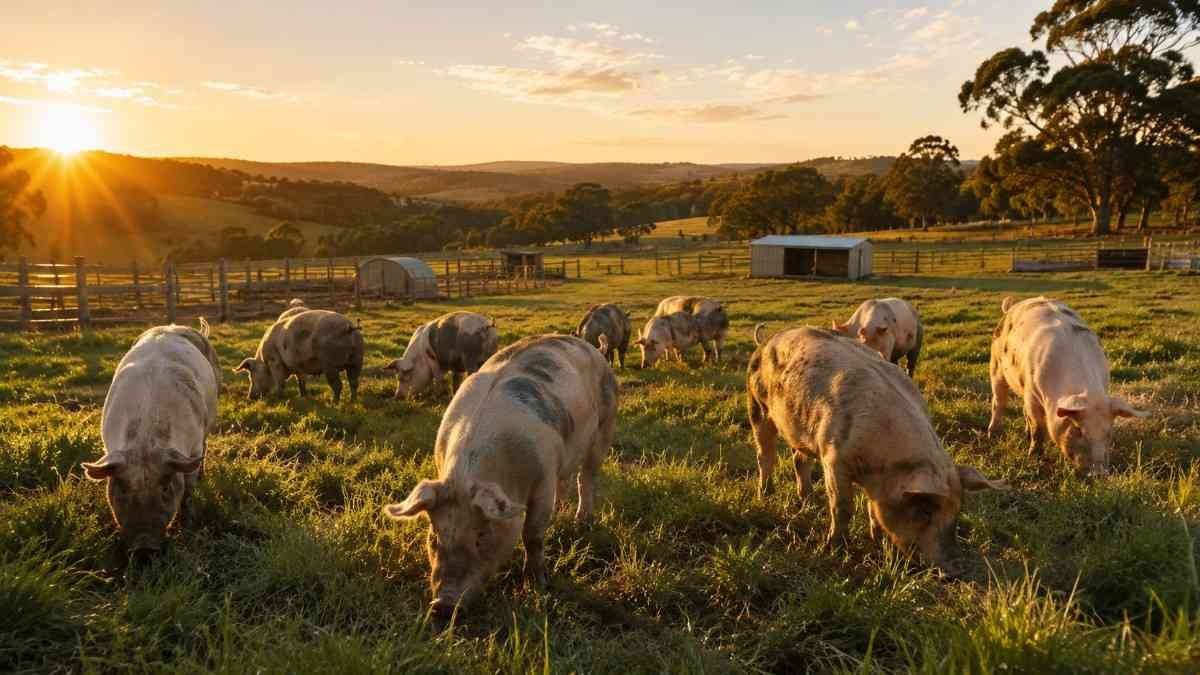
Many nitrate free bacon producers source meat from free-range or organically raised animals. This commitment can lead to improvements in animal welfare and reduced environmental impact. While nitrate content is one aspect of food quality, sourcing practices also play a crucial role in ethical consumption.
Free-Range and Sustainable Farming
A significant number of nitrate free bacon products come from farms that employ sustainable husbandry methods, including free-range systems. This ensures animals are raised in natural conditions, contributing to better quality meat. Selecting these products supports farming practices that align with higher welfare standards.
Reduced Chemical Impact
The process of curing meat with nitrates involves chemical additives that can have environmental consequences. Avoiding these preservatives reduces the industrial footprint associated with bacon production and may contribute to lower environmental pollution.
Taste and Culinary Benefits
Many consumers report that nitrate free bacon has a more natural and subtle flavour compared to traditionally cured bacon. The absence of nitrates allows the intrinsic flavours of the meat to come through more clearly.
Texture Differences
Nitrate free bacon may have a different texture, often described as less firm but juicier. This can enhance the eating experience, especially for those who prefer a less processed product.
Cooking Versatility

Because nitrate free bacon lacks the chemical preservatives found in standard bacon, it can offer greater flexibility in cooking. It tends to render fat more naturally and may reduce the risk of producing harmful nitrosamines when cooked at high temperatures.
Considerations When Buying Nitrate Free Bacon
Although nitrate free bacon has many advantages, consumers should remain aware of some important factors when making their purchase.
Price Point
Products free from synthetic preservatives often come with a higher price due to more natural farming and processing methods. Budget-conscious buyers should weigh these costs against the potential health and ethical benefits.
Storage and Shelf Life
Without nitrates, bacon can have a shorter shelf life and may require refrigeration or freezing soon after purchase. Consumers should follow storage instructions carefully to maintain quality and safety.
Label Accuracy
It is essential to verify product labelling to ensure the bacon is genuinely nitrate free. Some manufacturers may use natural nitrite sources, which can still convert to nitrosamines under certain conditions. Understanding ingredient lists aids in selecting truly nitrate free options.
Conclusion
Choosing nitrate free bacon offers a range of benefits, including potential health advantages, a cleaner ingredient profile, and ethical farming practices. While it may come at a higher cost and require careful storage, many consumers find the trade-offs worthwhile.
As awareness of food additives grows, nitrate free bacon represents a conscious and considered choice for those seeking to minimise exposure to chemicals associated with traditional cured meats.