
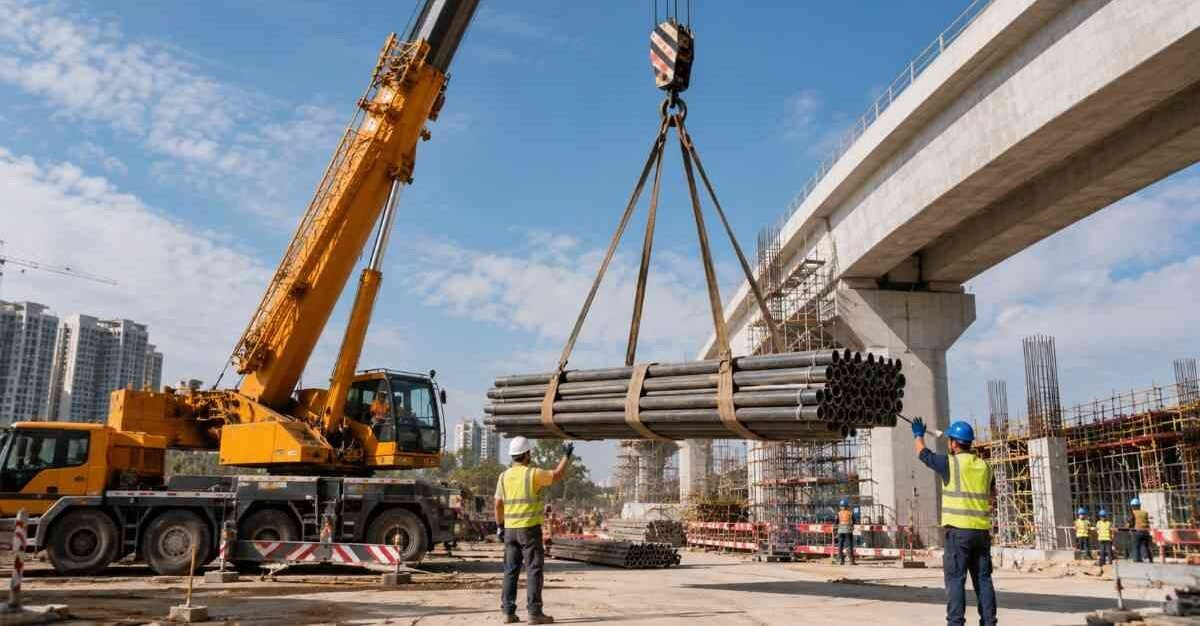
Heavy lifting projects demand careful planning, especially when large equipment comes into play. Construction sites, industrial zones, and infrastructure upgrades rely on specialized machinery to move materials safely and efficiently.
A crane plays a central role in these tasks, yet the process behind scheduling one requires more than a quick call. Every project has unique needs, and proper preparation can prevent delays, safety issues, and unexpected costs.
Before booking a Crane service in Southern California, several factors deserve attention to ensure a smooth experience. From site conditions to equipment selection, each detail shapes the outcome of the job. This article breaks down key points that help project managers, contractors, and property owners make informed decisions before scheduling crane support.
Site Conditions and Accessibility
A project site sets the stage for every lift. Ground stability, space availability, and nearby structures all influence crane setup. Soft soil or uneven terrain may require additional support, such as mats or reinforcements. Limited access roads or tight spaces can restrict equipment size and mobility.
Clear communication about the site helps the crane provider prepare the right setup. Details about obstacles like power lines, trees, or buildings allow for better planning. A well-prepared site reduces risk and keeps the project on schedule.
Equipment Type and Capacity
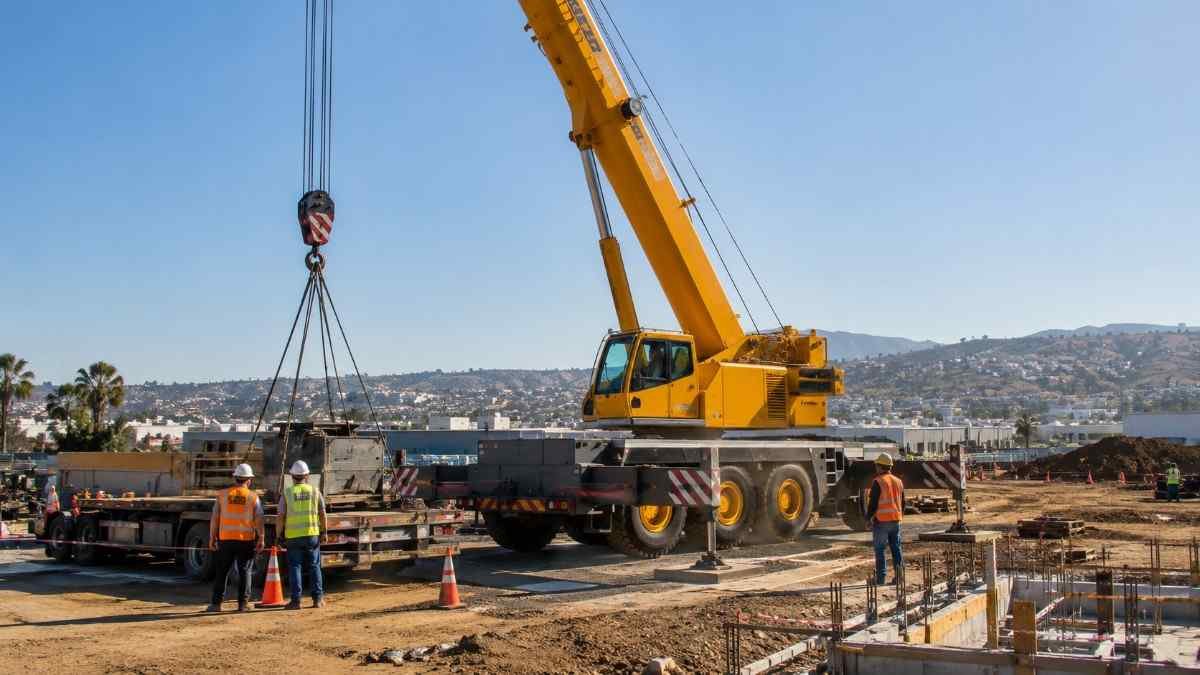
Different cranes serve different purposes. Some projects require mobile cranes for flexibility, while others depend on tower cranes for height and reach. Load weight, lift height, and radius determine the correct machine for the job. Accurate information about load specifications is essential.
Underestimating weight or reach can lead to delays or safety concerns. A reliable service provider often assists with equipment selection based on project requirements. This ensures that the chosen crane matches the demands of the task.
Permits and Local Regulations
Southern California has strict rules for heavy equipment use. Local authorities often require permits for crane operation, especially in urban areas or near public roads. Regulations may include traffic control plans, safety measures, and time restrictions.
Failure to secure proper permits can halt a project or lead to fines. Early coordination with local agencies helps avoid complications. A professional crane service usually has experience with regional requirements and can guide clients through the permit process.
Operator Expertise and Safety Standards
A crane is only as effective as the team that operates it. Certified operators bring knowledge, precision, and attention to detail. Their expertise ensures safe lifts and efficient execution. Safety protocols and management play a critical role in every project.
Regular equipment inspections, proper rigging techniques, and clear communication among crew members help prevent accidents. Choosing a service that follows strict safety standards adds confidence to the project.
Project Timeline and Scheduling

Time management affects every construction or industrial task. Crane availability must align with the project schedule using AI is safe to avoid delays. Peak construction seasons in Southern California may lead to high demand for crane services. Advance booking helps secure the required equipment and crew.
Clear timelines allow the service provider to allocate resources effectively. Coordination between contractors and crane operators ensures that each phase of the project moves forward without disruption.
Cost Factors and Budget Planning
Crane service costs vary based on several elements. Equipment type, project duration, site complexity, and labor all contribute to the final price. Additional expenses may include permits, transportation, and setup. Transparent communication about budget expectations helps prevent surprises.
A detailed quote from the service provider outlines costs and allows for better financial planning. Investing in the right service often leads to long-term savings through efficiency and reduced risk.
Final Checks Before Booking
A final review of all project details ensures readiness for crane service. Confirm site conditions, equipment requirements, permits, and schedule before making the booking. This step helps identify any gaps that may affect the project.
Reliable providers in Southern California often conduct site assessments to gather accurate information. This approach leads to better planning and smoother execution. Careful preparation sets the foundation for a successful lift.
Long-Term Value of Professional Crane Support
Projects that involve heavy lifting benefit from expert guidance and proper equipment. A well-chosen provider brings efficiency, safety, and reliability to the table. This reduces stress and improves overall project outcomes.
Selecting a trusted Crane service in Southern California ensures access to experienced operators, modern equipment, and strong safety practices. These elements contribute to a seamless process from start to finish, which supports both small and large-scale projects.
Scheduling crane service requires attention to detail and careful planning. Each step, from site evaluation to equipment selection, plays a role in project success. Future tech innovation with clear communication, proper permits, and safety measures ensure smooth operations.
A thoughtful approach leads to efficient results and fewer challenges. Preparation and the right support make a significant difference in every lift. With the right planning, any project can move forward with confidence and precision.