I started paying more attention to nickel when I realized how quickly its price could move without a single obvious reason explaining the change. One week, supply concerns could dominate the conversation. The next, weaker industrial demand or changing battery expectations could take over. Looking at the number alone never seemed enough. I wanted to understand what was actually pushing it.
That became even clearer as I followed the market through 2026. Nickel has been caught between two very different forces: efforts to control supply, especially in Indonesia, and uncertainty around demand from industries that use the metal. The result is a market where a price move can look simple on a chart but have several different causes underneath it.
What Fintechzoom.com Nickel Means for Market Watchers

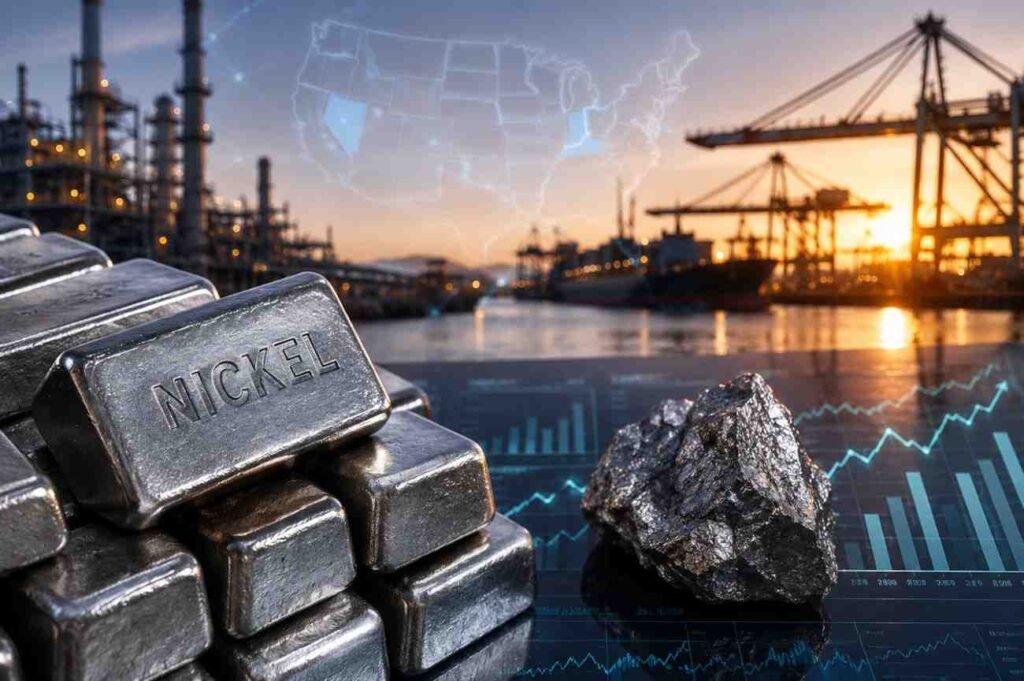
The term fintechzoom.com nickel is best understood as a way of looking at nickel through a financial-market lens. Nickel is not simply another mined commodity. Its price reflects industrial activity, supply decisions, inventories, processing costs, battery demand, and expectations about future availability.
That makes the market worth watching beyond the headline price. A move higher or lower can tell you something about how traders view the balance between supply and demand, but it does not tell the whole story by itself.
For anyone following nickel prices, the more useful question is not just “What is nickel worth?” It is “Why is nickel moving?”
EV Batteries Matter, But They Are Not the Whole Story
Nickel is often discussed as an electric vehicle metal, and there is a good reason for that. Nickel-containing cathode chemistries can provide high energy density, making nickel relevant to certain lithium-ion batteries.
But the EV story is more complicated than simply assuming more electric vehicles automatically means proportionally more nickel demand.
Battery manufacturers have several chemistry options, and some widely used chemistries require little or no nickel. That means battery technology can change the amount of nickel required even while overall EV sales continue to grow.
At the same time, stainless steel remains a huge part of the nickel demand picture. Current industry analysis continues to point to industrial demand as a major factor alongside battery consumption.
This distinction matters because it prevents one popular narrative from becoming the entire market forecast.
What Recent Nickel Price Moves Are Really Showing
Nickel’s recent price action illustrates why context matters. The market moved sharply higher earlier in 2026 as supply restrictions and policy expectations tightened the outlook. Prices later came under pressure as expectations for additional Indonesian supply returned.
The market was around $16,884 per metric ton on August 19, according to current market data, while still sitting above its level from a year earlier.
That does not automatically mean nickel is weak or strong for the long term. It shows that traders are constantly reassessing the balance between available material and expected consumption.
The same price can represent very different conditions depending on whether inventories are rising, supply is being restricted, or manufacturers are increasing purchases.
Look Beyond the Headline Price

A useful way to follow nickel is to watch several signals together.
- Supply changes from major producing countries
- Exchange inventories and physical availability
- Stainless steel production and industrial activity
- Battery demand and changes in battery chemistry
- Refining and processing costs
- Trade restrictions and export policies
- Currency movements and broader commodity sentiment
Looking at these factors together can provide a more realistic picture than reacting to a single daily price change.
For example, a falling price caused by temporarily higher supply is a different situation from a falling price caused by a sustained collapse in industrial demand. The chart may look similar, but the underlying market is not.
Where Market Data Fits Into Nickel Research
Digital financial platforms can make it easier to follow commodity prices, historical movements, market commentary, and broader financial conditions. That information becomes more useful when it is treated as a starting point rather than the entire analysis.
A reader following nickel should compare current pricing with recent history, then ask what changed. Was there a production announcement? Did inventories increase? Did Indonesian quotas change? Are manufacturers buying less material? Did expectations around batteries shift?
This is also where Ecryptobit. com can be considered as part of a broader online research routine, but any financial information found through a digital platform should be independently checked before it is used for an investment decision.
The strongest research habit is simple: never let one price, chart, or forecast tell the whole story.
The Risks Behind Nickel’s Long-Term Outlook
Nickel has attractive long-term uses, but that does not make its price predictable.
Oversupply remains a major risk. If Indonesian production expands faster than demand, prices can remain under pressure even when the long-term demand story looks healthy. Inventory levels can reinforce that pressure.
Technology creates another uncertainty. If battery manufacturers continue shifting toward chemistries that use less nickel, expected battery demand could grow without creating the same increase in nickel consumption.
There are also geopolitical and policy risks. Indonesia’s growing control over its nickel industry means changes in quotas, mining rules, processing requirements, or export policy can have effects far beyond its borders. The country has even moved toward greater domestic control over strategic commodity pricing, with a new commodity exchange planned for 2027.
FAQs: Fintechzoom.com Nickel and the Forces Shaping Its Market
1. What is driving nickel prices in 2026?
Supply policy in Indonesia has become a major influence, while stainless steel demand, inventories, processing costs, and battery demand continue to shape the market.
2. Is nickel mainly an EV battery metal?
No. Nickel remains heavily tied to stainless steel and other industrial uses. EV batteries are important, but battery chemistry can change how much nickel the sector requires.
3. Why does Indonesia matter so much to nickel prices?
Indonesia is the world’s leading source of mined nickel. Changes in its production quotas and mining policies can therefore affect global supply expectations and prices.
4. Is a lower nickel price automatically a buying opportunity?
No. A lower price can reflect temporary supply changes or deeper weakness in demand. Investors need to examine the underlying market before drawing conclusions.
Why Nickel Requires More Than a Price Chart
Nickel is a good example of how commodity markets rarely move for one reason. A price decline can reflect rising supply expectations even while long-term demand remains healthy. A rally can come from tighter production rather than stronger consumption. Battery technology can change the outlook again, while stainless steel keeps the traditional industrial side of the market firmly in play.
The useful takeaway is to follow the forces behind the number. When supply policy, industrial demand, inventories, and technology are considered together, nickel’s price movements become much easier to understand.