
I used to think cybersecurity was mostly about installing tools and reacting when something went wrong. Over time, I realized that the real difference comes from knowing what to expect before it happens. That shift toward understanding threats early is what makes modern defense far more effective and practical.
What Is Cyber Threat Intelligence?
Cyber threat intelligence is the process of collecting and analyzing threat data to understand attacker behavior, intentions, and methods. It turns scattered technical signals into meaningful insights that teams can actually act on.
Instead of reacting blindly to alerts, teams use this intelligence to recognize patterns. It helps identify known attack techniques, suspicious activity, and indicators that suggest something may already be wrong.
Why Role of Threat Intelligence in Cyber Defense Matters
Threat intelligence plays a key role because it moves security from reactive to proactive. Instead of waiting for damage, teams can anticipate threats and take steps early.
Organizations face constant exposure to phishing attempts, ransomware campaigns, and evolving attack techniques. Without context, alerts become noise. With intelligence, teams can focus on what truly matters and respond with clarity.
How Does Threat Intelligence Improve Daily Security Operations?
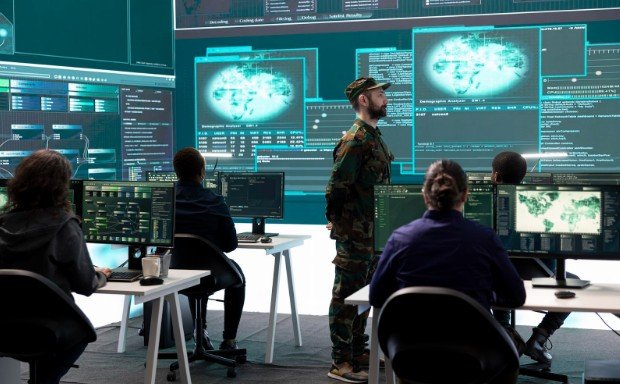
Threat intelligence improves decision-making by adding context to security events. It helps teams understand whether an alert is part of a real attack or just background activity.
This leads to faster response times and better prioritization. Teams can focus on high-risk threats instead of wasting time on false alarms. It also improves threat hunting by helping analysts look for specific behaviors instead of guessing.
What Types Of Threat Intelligence Are Used?
Threat intelligence is usually divided into three types based on how it is used. Strategic intelligence focuses on big-picture risks and helps leaders understand potential impact. Tactical intelligence looks at attack methods and techniques used by threat actors.
Operational intelligence provides real-time insights about ongoing or imminent attacks. Each type serves a different purpose, but together they create a complete defense strategy.
What Does A Strong Threat Intelligence Lifecycle Look Like?
A strong threat intelligence program follows a structured lifecycle. It starts with defining goals and what needs to be protected. Then it moves into collecting relevant data from multiple sources. After collection, the data is processed and analyzed to extract useful insights.
These insights are then shared with the right teams so they can take action. Finally, feedback helps refine the process and improve future results. This cycle supports regular software updates and patch management, ensuring intelligence stays relevant and aligned with actual security needs.
How Can Organizations Use Threat Intelligence Effectively?

The first step is understanding what assets matter most. This could include systems, data, or user accounts that require strong protection. Once priorities are clear, teams can align intelligence efforts accordingly.
Next, intelligence should be integrated into daily workflows. It should guide how alerts are handled, how code vulnerabilities are fixed, and how incidents are investigated.
Finally, teams should measure outcomes. If intelligence is not improving response time or reducing risk, it needs to be adjusted. Continuous improvement is key to making it effective.
Frequently Asked Questions
1. Is threat intelligence only useful for large organizations?
No, it is valuable for organizations of all sizes. Even smaller teams benefit from understanding common threats and prioritizing risks more effectively.
2. Does threat intelligence replace security tools?
No, it enhances them. It provides the context that helps tools detect and respond more accurately.
3. How does threat intelligence help prevent attacks?
It helps identify warning signs early, allowing teams to act before an attack fully develops.
4. What is the biggest challenge with threat intelligence?
The biggest challenge is turning data into actionable insight. Without proper analysis, even valuable data can go unused.
Final Words
I now see Role of Threat Intelligence in Cyber Defense as the foundation of modern security. It is not about having more data but about understanding what that data means and acting on it quickly.
I would always prioritize intelligence-driven defense because it helps cut through noise, focus on real risks, and stay one step ahead instead of constantly catching up.